Manila scams,
ranked
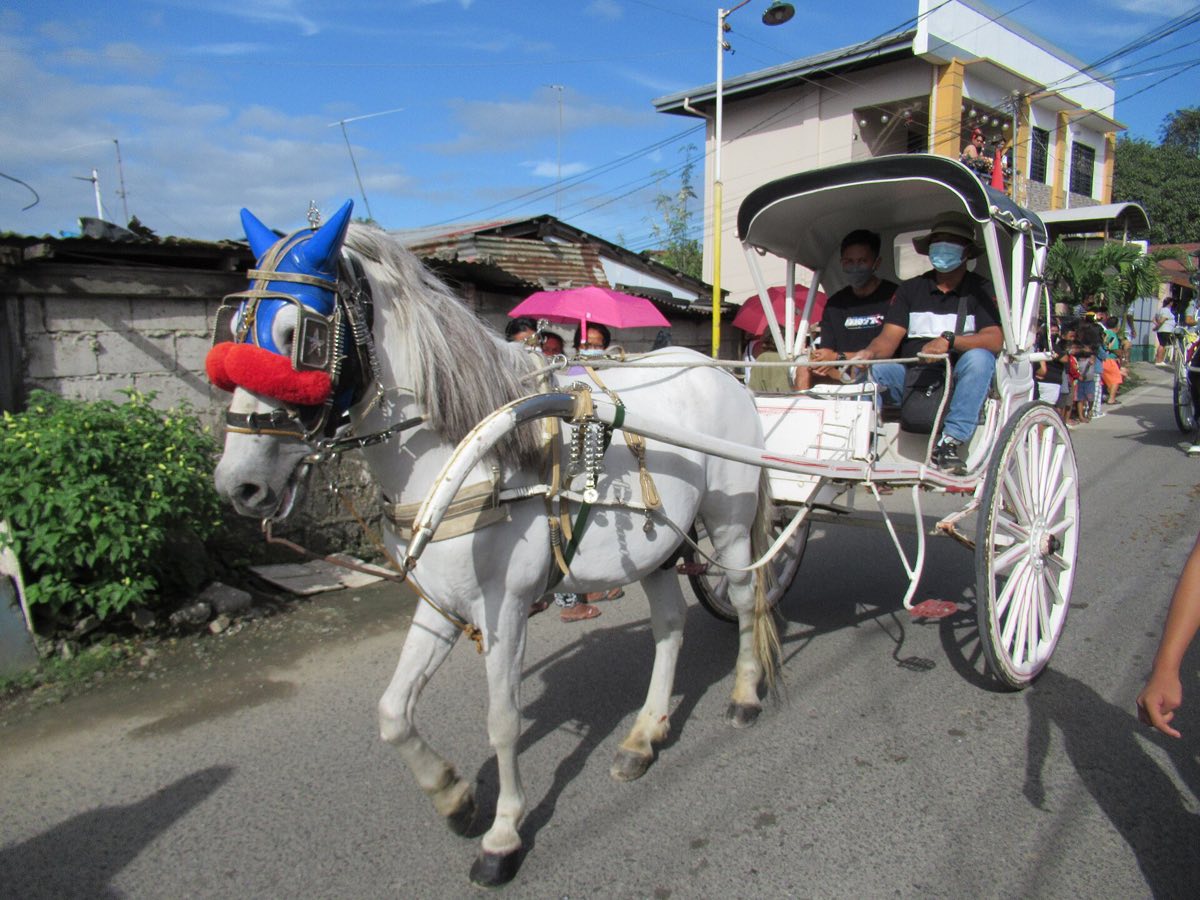
Manila's scam scene is milder than Bangkok's and almost entirely opt-in. The most common is the kalesa price flip: a ₱350 quote that turns out to be per 30 minutes on an unrequested two-to-four hour ride, with documented demands of ₱2,000–2,800. Second is the identical pedicab version. Third is taxi meter games, which Grab kills outright. Fourth is the salisi bag lift from café chair-backs. And the biggest financial leak is not a scam at all — walk-in gate pricing at attractions, which runs double the online rate.
Every Manila scam, with the defence
| # | The scam | The defence |
|---|---|---|
| 01 | Kalesa “city tour” price flip — ₱350 quoted, billed per 30 min for hours, ₱2,000–2,800 demanded | Total price and duration in writing before boarding, or book through a platform, or walk past |
| 02 | Pedicab shakedown — identical mechanic, a documented ₱2,450 case | Refuse all unsolicited rides in the tourist core |
| 03 | Taxi meter refusal at gates and NAIA | Use Grab. If you must take a taxi, “meter po, kuya” and keep the dispatch slip |
| 04 | Freelance “guides” at gates demanding a donation afterwards | Only DOT-accredited or platform-booked guides. At the Chinese Cemetery agree ₱500–1,500 up front |
| 05 | Salisi gang — distraction bag-lift from café chair-backs | Bag on your lap. Never on a chair back, never on the floor |
| 06 | Luneta and Baywalk photographers, fake-charity clipboards | A polite no is enough. They do not push |
| 07 | Beggar syndicates at church gates — Quiapo, Baclaran, Ermita | Give food, or give to a vetted NGO. Not cash, and not to children |
| 08 | “That's closed today” redirect | Less industrialised than Bangkok's version. Opening hours are on this site — walk to the gate |
| 09 | Money-changer sleight of hand in Ermita and Malate | Count on the tray. Use Sanry's or Czarina, or just use an ATM |
| 10 | NAIA porters grabbing bags for a tip | Decline hands on your bags, firmly, at the kerb |
Notably absent from this list: dual pricing, which is far milder here than in Thailand, and organised gem or tailor scams, which do not really exist in Manila.
Walk-in gate pricing is not a scam, and it costs more than one
The single biggest avoidable expense for a visitor to Manila is buying attraction tickets at the window.
Manila Ocean Park: ₱720–1,000 booked online, over ₱2,000 at the gate. The M in BGC: ₱300 online, ₱550 walk-in. The pattern repeats across most ticketed attractions in the metro.
This is standard commercial practice rather than deception — the online channels are subsidised and the gate price is the undiscounted one. But it catches people daily, and unlike the kalesa it costs you money without anyone lying to you.
The fix takes thirty seconds: book the night before, or in the queue outside, on your phone. Klook, GetYourGuide and the attractions' own sites all work.
The one exception worth knowing: Fort Santiago is ₱75 at the gate and about ₱71 on Klook — the only attraction in Manila where the reseller undercuts the official price, and by so little it hardly matters.
Two things that are rare but serious
Rare, persistent, and worst-case severe: a new acquaintance offers food or a drink, the victim blacks out, and accounts are emptied. Documented cases run into thousands of dollars. Never accept food or drink from someone you met that day, and be wary of unusually forward “families” adopting a solo traveller at heritage sites.
Never accept an open drinkLadies'-drinks economics at ₱300–700 a drink, bills that grow, and documented exploitation of the workers. Entirely avoidable: know which kind of KTV you are walking into. Family KTV is wholesome private-room karaoke from about ₱42 per person per hour.
Manila scams FAQ
What is the most common scam in Manila?
The kalesa price flip in Intramuros. A driver quotes about ₱350, which turns out to be per 30 minutes, then runs an unrequested two-to-four-hour “city tour” — documented demands of ₱2,000–2,800 exist. Agree the total price and duration in writing before boarding, or walk past.
Are taxis in Manila a scam?
Meter refusal and inflated flat quotes are common at the airport and at tourist gates, and locals complain about it more than tourists do. Grab removed the problem entirely — the fare is fixed before you board. If you must take a street taxi, say “meter po, kuya” and keep the dispatch slip.
How do you avoid getting scammed in Manila?
Three habits cover almost everything: use Grab rather than street taxis, ask and agree the price before any unmetered service, and keep your bag on your lap rather than a chair back. Add booking attraction tickets online rather than at the gate and you have removed both the scams and the biggest cost leak.
Is Manila worse for scams than Bangkok?
No — noticeably milder. There is no organised gem-scam or tailor-scam infrastructure, dual pricing is far less systematic, and the “that's closed today” redirect exists but is not industrialised. The kalesa and pedicab price flips are the local specialities, and both require you to accept an unsolicited ride.
What should you do if a kalesa driver demands more money?
Pay what you agreed, stay calm and public, and walk into a hotel lobby or toward a tourist police post if it escalates — these confrontations are about pressure, not violence. Better: photograph the agreed total and duration on your phone before boarding, and show it if challenged.