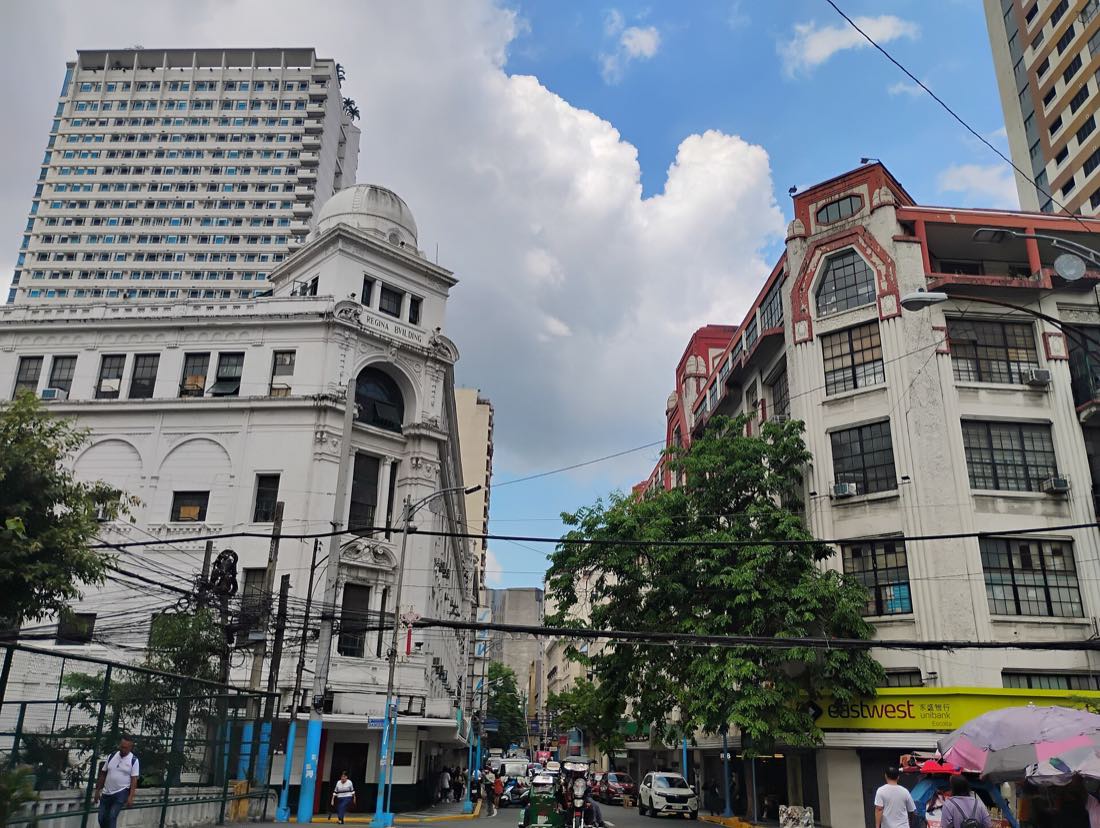
Is Manila
safe?
The honest synthesis: violent crime against tourists is rare, opportunistic theft is the real risk, and geography is everything. BGC and Makati CBD are safe to walk at any hour and locals genuinely do. Poblacion is crowded-safe with a phone-snatching problem after 2am. Divisoria and Quiapo are daylight pickpocket territory. Malate's inner blocks rate worst in the tourist core. Three habits neutralise almost everything: Grab for wheels, ask the price first, bag on your lap. There is no anti-tourist sentiment here at all — Manila is the city the country apologises for, so travellers who choose it get disproportionate warmth.
Where and when it is safe to walk
| Area | Daytime | After dark | Verdict |
|---|---|---|---|
| BGC | Completely fine | Completely fine — the safest district in the country | WORTH IT |
| Makati CBD | Fine | Fine; locals walk it | WORTH IT |
| Intramuros | Fine | Fine inside the walls and on the lit spine; edges cluster incidents | WORTH IT |
| Poblacion | Fine | Crowded-safe; phone-snatching on dark side streets after 2am | DEPENDS |
| MOA and Newport | Fine | Fine, though it is shuttle-and-taxi territory rather than walking | WORTH IT |
| Binondo | Fine, watch pockets in crowds | Empties early — leave by evening | DEPENDS |
| Quiapo | Crowd-crush pickpocketing — bring nothing you cannot lose | Do not | DEPENDS |
| Divisoria | Same as Quiapo, more so | Do not | DEPENDS |
| Malate & Ermita | Fine on main drags | Weakest in the tourist core, around 3.1/5 | DEPENDS |
| Tondo, Caloocan | Not a tourist zone | No | SKIP |
Numbeo puts Manila's crime index at 64.6 with a night-walking score of 29.9 as of February 2026 — figures that read far worse than travellers' actual experience reports. Both are true: the statistics describe a city of 13.5 million, the experience describes the handful of districts visitors use.
What actually keeps you safe here
It removes taxi meter games, airport pickup confusion and route arguments in one move. ₱150–500 a hop. The mantra for arrivals: the driver you choose, not the one who chooses you.
Tricycles, pedicabs, kalesas, dampa cooking fees, market goods. Agreeing the total before you commit kills the entire price-flip family of scams, including the ₱2,000 kalesa.
The salisi gang lifts bags from chair-backs in cafés while a partner distracts you. Rider phone-snatching is the rising 2025–26 complaint. Both are solved by not making it easy.
Never on a chair backRare but persistent: sedative-assisted robbery by a “friendly stranger” or an over-forward family adopting a solo traveller at a heritage site. The worst documented case involved a blackout and thousands of dollars withdrawn.
Twelve years to life, mandatory minimums, and nightlife stings genuinely happen. This is the one absolute rule in Philippine travel.
Solo, female, and other travellers
The generic answer is not useful. Here is what different travellers actually report.
Solo travellers. Easy. English is universal, Grab is cheap, and Poblacion has the metro's only real hostel scene. The common report is social exhaustion from friendliness rather than menace.
Women. Street harassment — “psst”, comments, noises from groups of men loitering — is a real and regular annoyance, described consistently as constant low-grade and rarely escalating. It feels safer than much of Latin America and worse than Japan, Korea or Taiwan. The Safe Spaces Act criminalises catcalling, with patchy enforcement. Practical: earbuds, no engagement, Grab after dark. Dress is genuinely liberal in Makati, BGC and Quezon City, more conservative in old-downtown crowds.
Black travellers. The recurring report on forums is that the Philippines is the most relaxed country in Southeast Asia in this respect, alongside more staring, occasional hair-touch requests, dated vocabulary used without malice, and rare velvet-rope friction at clubs. Violent racism is vanishingly rare.
LGBTQ+ travellers. Among the most accepting cultures in Asia in practice — Pride at UP Diliman in June 2026 drew an estimated 250,000–300,000 people — but with no national anti-discrimination law: the SOGIE Equality Bill has pended for around 25 years. One bed at any chain hotel is a non-issue. Trans travellers should note that gender markers cannot be changed on Philippine ID, which can make document checks awkward.
Protests. The flood-control corruption scandal has produced large, peaceful, scheduled rallies at Luneta, the EDSA Shrine and Mendiola since September 2025. They are safe to walk past. Avoid Mendiola specifically on a big protest day.
Manila safety FAQ
Is Manila safe for tourists in 2026?
Yes, with the geography rules. Violent crime against tourists is rare; opportunistic theft — phone-snatching and distraction bag-lifts — is the real risk. BGC and Makati CBD are safe to walk at any hour, Poblacion is crowded-safe with a 2am phone-snatching problem, and Divisoria, Quiapo and Malate's inner blocks require more care.
Is Manila safe for solo female travellers?
Broadly yes, with the caveat that low-grade street harassment is regular and wearing. Travellers describe it as constant but rarely escalating — safer-feeling than much of Latin America, worse than Japan or Korea. Grab after dark, stay in Makati, BGC or Poblacion, and the practical risk is low.
What are the most common crimes against tourists in Manila?
Phone-snatching by riders, salisi-gang bag lifts from chair-backs in cafés, taxi meter games (which Grab solves), and price-flip scams from unsolicited kalesa and pedicab rides. Violent crime against foreigners is rare enough that it makes national news when it happens.
Which areas of Manila should tourists avoid?
Tondo and Caloocan are not tourist zones at any hour. Divisoria and Quiapo are daylight-only with your bag in front of you. Malate and Ermita's inner blocks rate worst for night safety in the tourist core, around 3.1/5. Everything else in the visitor's Manila is manageable with normal precautions.
Are the protests in Manila dangerous for tourists?
No. The rallies triggered by the flood-control corruption scandal since September 2025 have been large, peaceful and scheduled, concentrated at Luneta, the EDSA Shrine and Mendiola. Walking past one is fine. The one address to avoid on a big protest day is Mendiola, where the single splinter incident occurred.
Is tap water safe to drink in Manila?
No. Brushing your teeth is fine, drinking it is not. Bottled water costs ₱20–30 and ice at proper restaurants and bars is made from purified water and is safe. Dengue is present year-round and Aedes mosquitoes bite in daylight, so use repellent in the morning as well as at dusk.